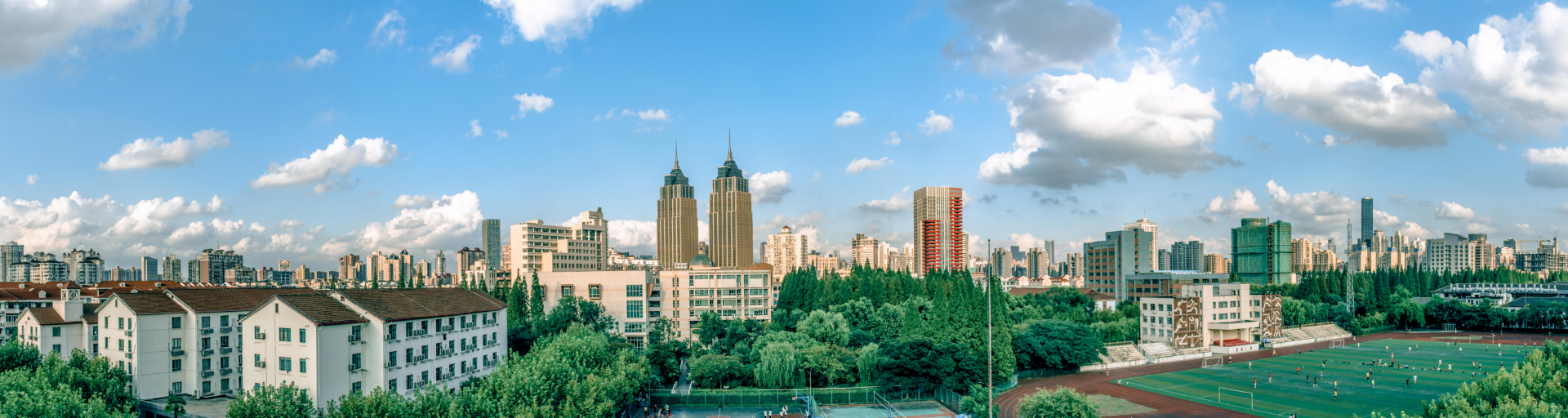

On April 11, 2026, the 12th China Art Finance Annual Conference and the 5th International Art Finance Development Forum grandly opened in the lecture hall on the first floor of the Academic Exchange Center, Putuo Campus, East China Normal University.
Centered on the theme “Art Finance: Reshaping the Development Pattern of the Artwork Market”, the annual conference and forum was hosted in the inaugural year of the 15th Five-Year Plan. It focused on the innovative growth of China’s art finance industry as well as international exchanges and cooperation in this field. More than one hundred experts, scholars and industry practitioners from the art, finance and academic communities nationwide gathered together for in-depth discussions covering theoretical innovation, practical breakthroughs and future trends of art finance and the artwork market. This event strives to build an interdisciplinary, high-level and international communication platform. It facilitates the upgrading of art finance business forms, reshaping of market patterns and coordinated industrial development, mapping out a new blueprint for the high-quality development of China’s art finance industry in the new era.
I. Opening Ceremony
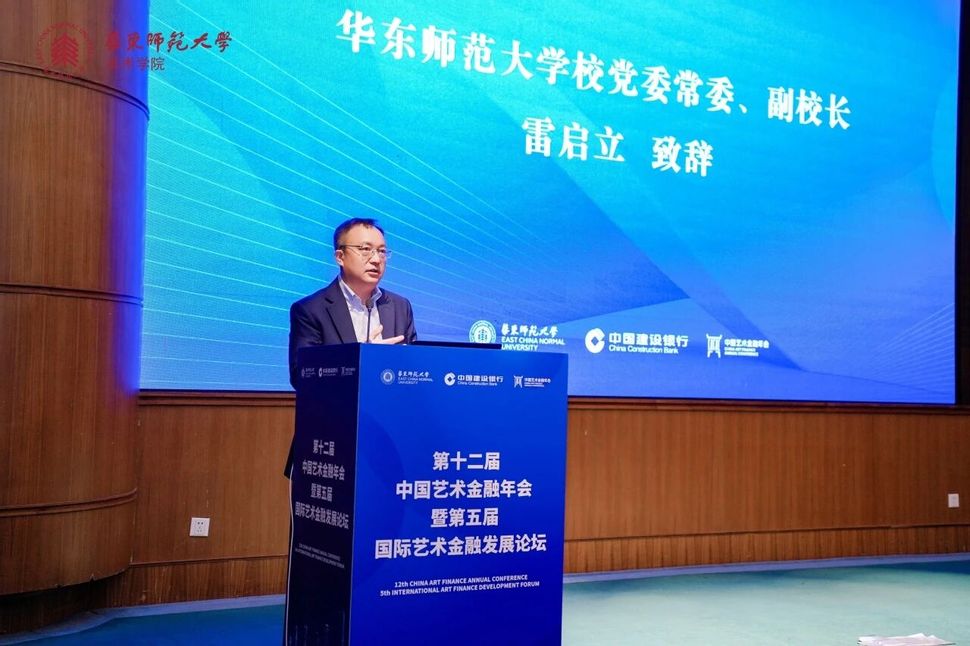
Speech Delivered by Prof. Qili Lei, Member of the Standing Committee of the University Party Committee and Vice President of East China Normal University
Prof. Qili Lei, Member of the Standing Committee of the University Party Committee and Vice President of East China Normal University, stated that as the university celebrates its 75th anniversary and boasts an educational heritage stretching back over 145 years, hosting this cross-border forum on art and finance alongside the Liwa River is highly opportune. He mentioned that artistic development calls for in-depth integration with finance, technology, culture, academia, humanities and cultural inheritance. The exquisite craftsmanship embodied in classic artworks spanning ancient and modern times represents artistic accomplishments while reflecting the technological standards of their respective eras. Furthermore, art sustains its vitality chiefly through telling cultural stories well and carrying forward cultural heritage. He commended the annual conference for releasing annual reports and advancing the integration of art finance and green finance. He extended wishes for the forum’s full success, as well as enduring inheritance and vigorous advancement of artistic undertakings.
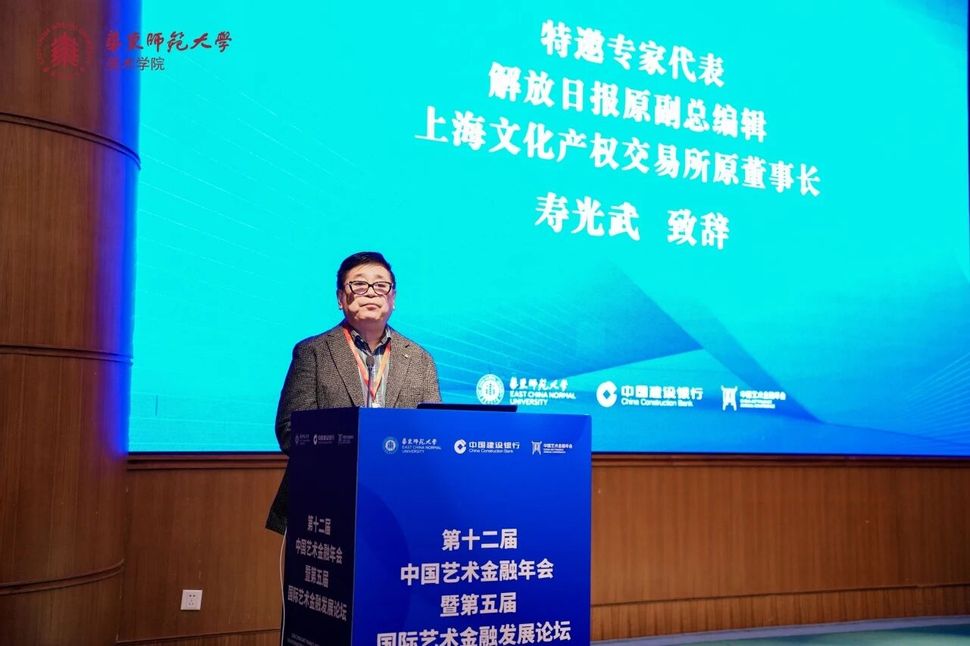
Speech by Mr. Guangwu Shou, Representative of Invited Experts, Former Deputy Editor-in-Chief of Jiefang Daily, Former Chairman of Shanghai Culture Equity Exchange
Mr. Guangwu Shou, Representative of Invited Experts, Former Deputy Editor-in-Chief of Jiefang Daily and Former Chairman of Shanghai Culture Equity Exchange, delivered the address. He noted that powered by digital platforms, trading formats for artworks have become increasingly abundant. Boosted by policy support and digital technologies such as blockchain, art finance in China has entered a phase of vigorous growth, with artworks accelerating their transformation into standardized financial assets. Looking ahead, as the industrial ecosystem and risk control mechanisms keep improving, in-depth discussions on the assetization logic of artworks, mainstream asset allocation, credit enhancement and traceability bear great practical significance.
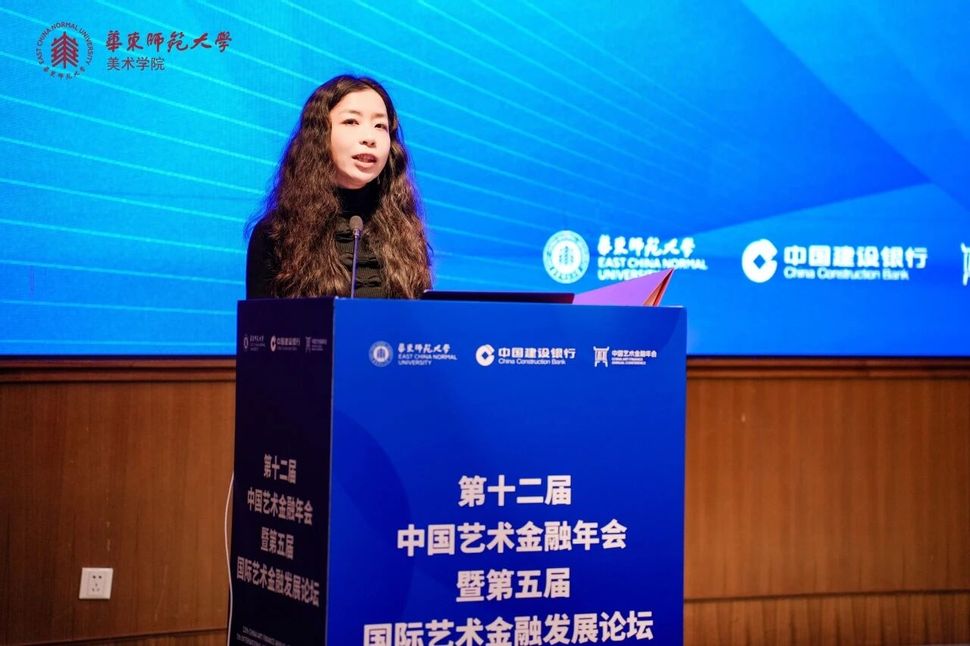
Speech by Professor Yilei Shao, Dean of the Shanghai AI Finance School (SAIFS), East China Normal University
Professor Yilei Shao, Dean of the Shanghai AI Finance School (SAIFS), East China Normal University, stated that artificial intelligence has fully penetrated the art finance industry in 2026. Beyond content generation, AI has been deeply integrated into the entire industrial chain covering exhibition curation, auctions, financial product design and other links, triggering fundamental changes to the composition of market participants. It is necessary to re-examine the essence of art, originality and collection. As AI decouples creators’ judgment from traditional physical carriers, the core proposition of art finance in the future will center on how to accurately price creativity and aesthetic judgment itself.

Speech by Prof. Shuqiang Cui, Dean of the School of Fine Arts, East China Normal University
Prof. Shuqiang Cui, Dean of the School of Fine Arts, East China Normal University, remarked that this annual conference closely aligns with the cultural strategies outlined in the 15th Five-Year Plan, serving as a vital opportunity to boost industry-university-research collaboration and broaden global vision. He noted that adhering to its founding mission, the school advances interdisciplinary frontier development. Relying on its integrated master-doctor training program and the "Art Plus" curriculum system, the school maintains close ties with relevant industries to cultivate high-level interdisciplinary talents for the art market. He expressed hopes that the conference could break down industrial barriers and jointly explore innovative paths compliant with the inherent laws of both art and market.
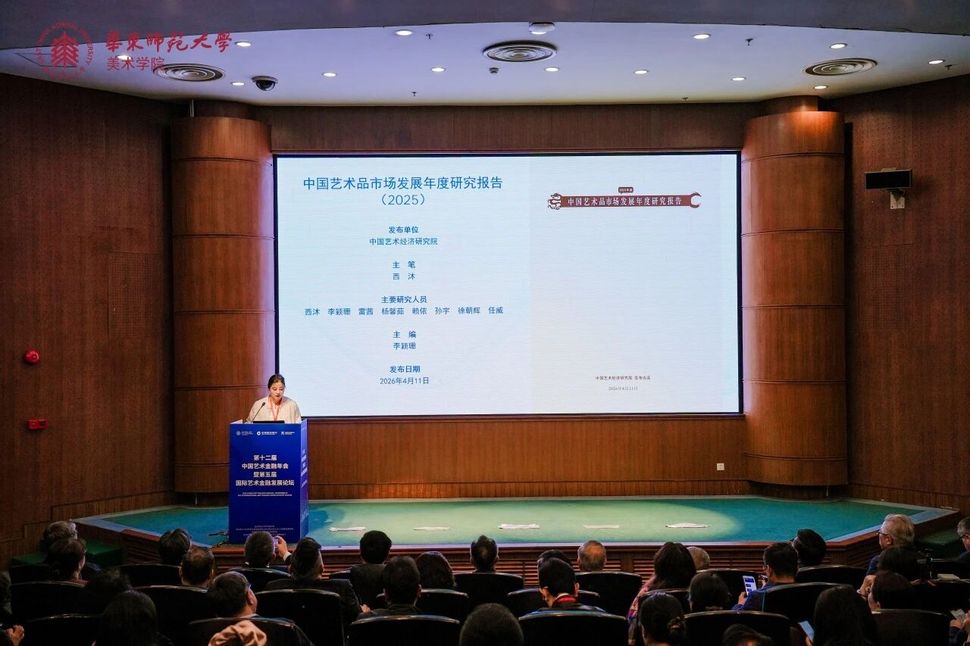
Ms. Yingshan Li, PhD candidate at Xi’an Academy of Fine Arts, released theAnnual Research Report on China’s Artwork Market Development (2025)
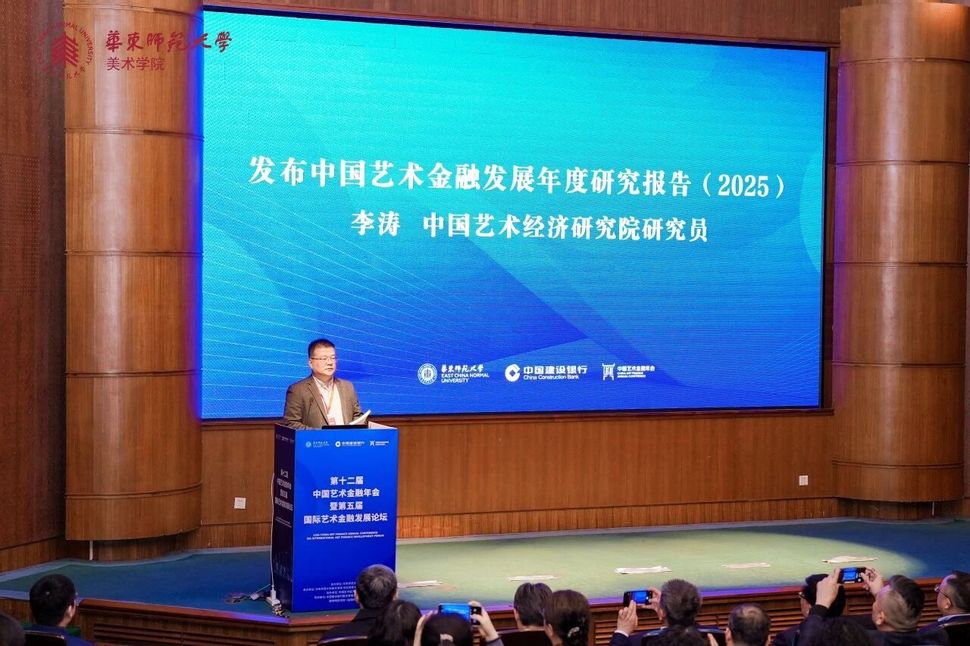
Mr. Tao Li, Secretary-General of Weifang Mingren Cultural Development Foundation, released theAnnual Research Report on China’s Art Finance Development (2025)
The two documents, namely theAnnual Research Report on China’s Artwork Market Development (2025)and theAnnual Research Report on China’s Art Finance Development (2025), were officially unveiled during the opening ceremony.
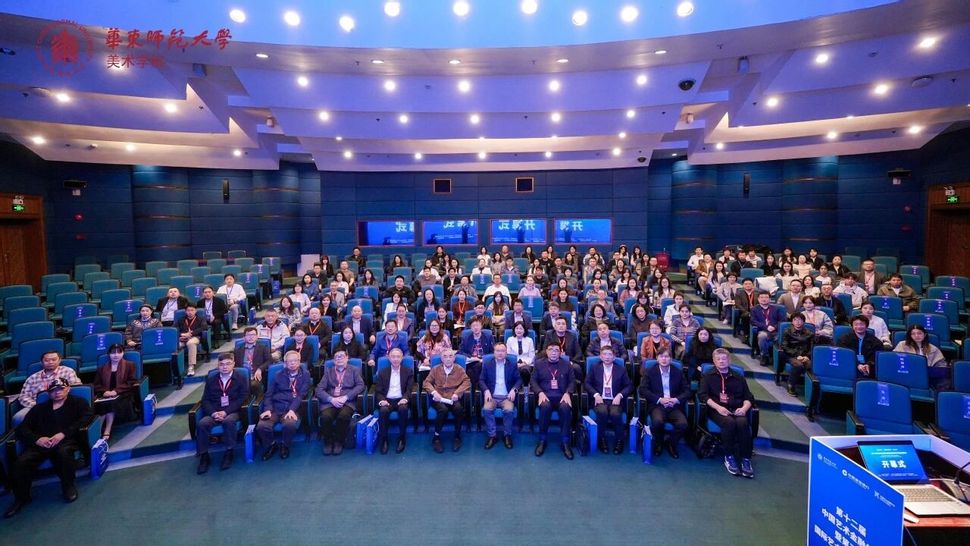
Group Photo of Guests
Mr. Kaisheng Yang, Former President of Industrial and Commercial Bank of China (ICBC); Prof. Qili Lei, Member of the Standing Committee of the CPC Committee and Vice President of East China Normal University; Prof. Zhi Zhu, Former President of Southwestern University of Finance and Economics; Prof. Hongyang Zhou, General Manager and Deputy Party Secretary of China Media Culture Group; Prof. Kexiao Zhu, Former Party Secretary of Xi’an Academy of Fine Arts; Mr. Guangwu Shou, Former Deputy Editor-in-Chief of Jiefang Daily and Former Chairman of Shanghai Culture Equity Exchange; Prof. Xi Mu, Dean of China Art Economics Research Institute; Prof. Yilei Shao, Dean of the Shanghai AI Finance (SAIFS), East China Normal University; Ms. Beirong Lu, Party Secretary of the School of Fine Arts, East China Normal University; Prof. Shuqiang Cui, Dean of the School of Fine Arts, East China Normal University; Mr. Feipeng Huang, Vice President of the Putuo Sub-branch, China Construction Bank (CCB); Prof. Li Zhao, Vice Dean of the School of Art Management and Education, Central Academy of Fine Arts; Prof. Juan Huang, Former Vice Dean of the School of Applied Economics and Director of the Institute of Cultural Economics, Renmin University of China; Prof. Shuangzhou Liu, Former Dean of the School of Culture and Communication, Central University of Finance and Economics; Mr. Yuefeng Shi, Vice President of Li Keran Academy of Painting and Former Chairman of Weifang Bank; Ms. Li Meng, Chief Reporter and Deputy Director of the Cultural Weekly Department of Financial News; Mr. Yuntian Bao, Executive President of All-China Chamber of Commerce for Folk Cultural Relics and Artworks; Mr. Zhengjia Lin, Deputy to the National People’s Congress and Chairman of Jiaxin Haitan Holding Group; Mr. Haibo Chen, Deputy Director of the Culture, Health and Sports Committee of Shanghai Committee of the Chinese People’s Political Consultative Conference; Ms. Jinxi Xu, Founding Chair of Hong Kong Art Gallery Association and Chairman of Fanyou Art Group; Prof. Zhenlin Zhang, Former Executive President of Taiwan Art Bank, Professor at Sun Yat-sen University (Taiwan Campus) Institute of Arts Management and Entrepreneurship, Distinguished Professor of Central Academy of Fine Arts; Mr. Xuedong Ma, Vice President of Guardian Investment Holdings Co., Ltd.; Ms. Dahui Yun, Senior Partner, Founder and Head of Family Wealth Management and Inheritance Team at Beijing Haotian Law Firm; Mr. Mingzhe Jiang, Former Lead Approver of China Construction Bank; Ms. Chuncai Zhao, Chairman of Yite Group; Prof. Xiaogeng Xu, Former Dean of the School of Fine Arts, Central China Normal University; Mr. Liming Zhu, Executive Director of the High-quality Development Center, Zhejiang Development Planning Research Institute; Ms. Rui Zhao, Deputy Party Secretary of the School of Fine Arts, East China Normal University; Mr. Hu Zhu, Associate Dean; Ms. Junying Ma, Associate Dean; Associate Professor Huimin Yuan, Vice Dean of the School of Art, Shandong University of Finance and Economics; Prof. Yu Sun, Vice Dean of the School of Finance, Shandong Technology and Business University; Mr. Zhibin Xu, General Manager of Qingdao Culture Equity Exchange Co., Ltd.; Mr. Chen Qian, President of Jiangsu Artwork Industry Association and Chairman of Taihu Ring Art City; Mr. Tingjun Xi, President of Zhejiang Artwork Industry Association; Ms. Xi Chen, President of Guangdong Artwork Industry Association and Deputy General Manager of Southern Cultural Equity Exchange of Guangdong; Ms. Fengqin Li, Deputy General Manager of Jiangsu Culture Equity Exchange; Prof. Guoqiang Bao, Dean of the Institute of New-era Social Cultural Relics, Shanghai University; Mr. Aojie Lin, Deputy Secretary-General of China Art Economics Research Institute and Secretary-General & Research Fellow of Metaverse Digital Asset (NFT) Research and Development Center; Associate Professor Yushu Chen and Associate Professor Ping Zhang from the School of Fine Arts, East China Normal University; Associate Professor Xing Yin, Head of the Fine Arts Department, Nanjing University of Media and Communications; Ms. Jun Shi, China Regional Director of Art Insurance, AXA Tianping Property & Casualty Insurance Co., Ltd., together with more than 160 guests from home and abroad focusing on art finance and artwork markets attended the opening ceremony. The opening ceremony of the forum was hosted by Prof. Hu Zhu, Associate Dean of the School of Fine Arts, East China Normal University.
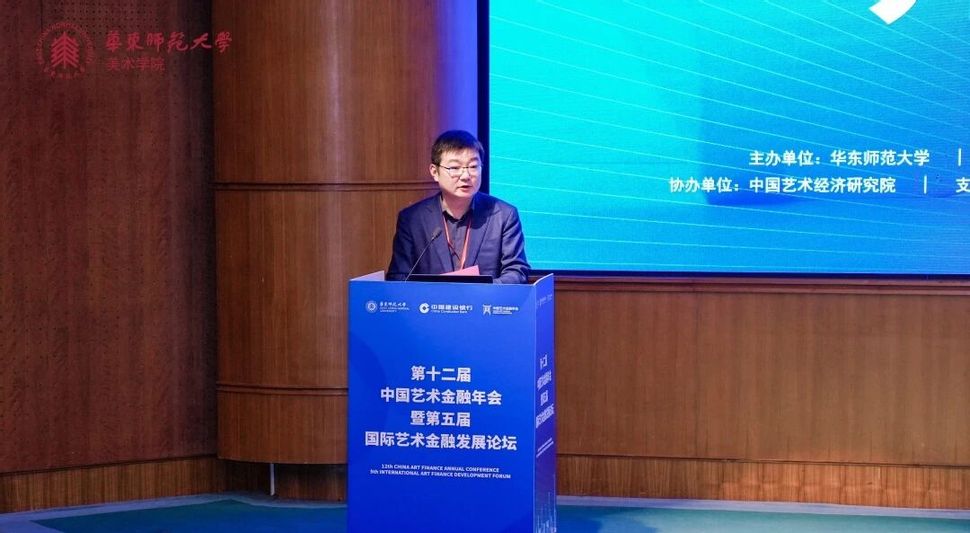
Prof. Hu Zhu, Vice Dean of the School of Fine Arts, East China Normal University, chaired the conference
Hosted by East China Normal University, the event was organized by the School of Fine Arts and the Shanghai AI-Finance School (SAIFS), East China Normal University, co-organized by China Institute of Art Economics, supported by China Construction Bank Corporation Shanghai Putuo Sub-branch, with Financial Times providing exclusive media support.
II. Keynote Speeches
1、Reshaping: Frontiers in the Development of the Artwork Market
Seven experts, namely Mr. Kaisheng Yang, Mr. Zhi Zhuo, Mr. Hongyang Zhou, Prof. Hu Zhu, Prof. Yilei Shao, Mr. Kexiao Zhu and Mr. Xing Yin, delivered keynote speeches in succession. They explored frontier issues of artwork market development thoroughly from varied dimensions.
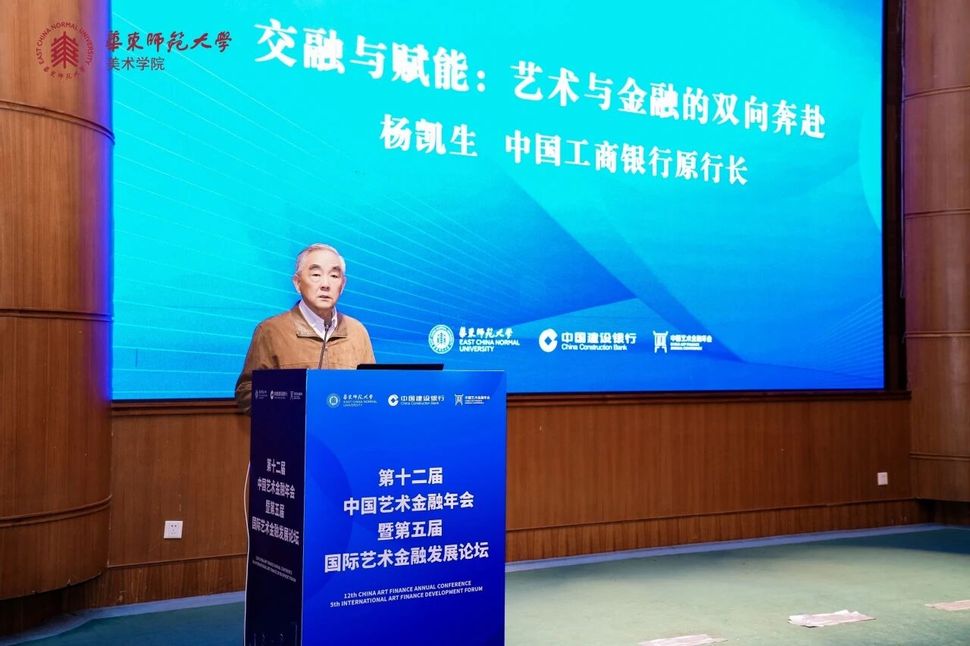
Mr. Kaisheng Yang, Former President of Industrial and Commercial Bank of China
In his keynote speech titled Integration and Empowerment: The Two-Way Bond Between Art and Finance, Mr. Kaisheng Yang pointed out that on the one hand, finance fuels the growth of the artwork market via financing, appraisal, insurance, digitalization and other approaches. On the other hand, art infuses finance with humanistic temperament and helps practitioners elevate their cultural literacy and social vision. The synergy between art and finance not only expands market boundaries, but also serves the real economy and boosts industrial chain development as well as employment.
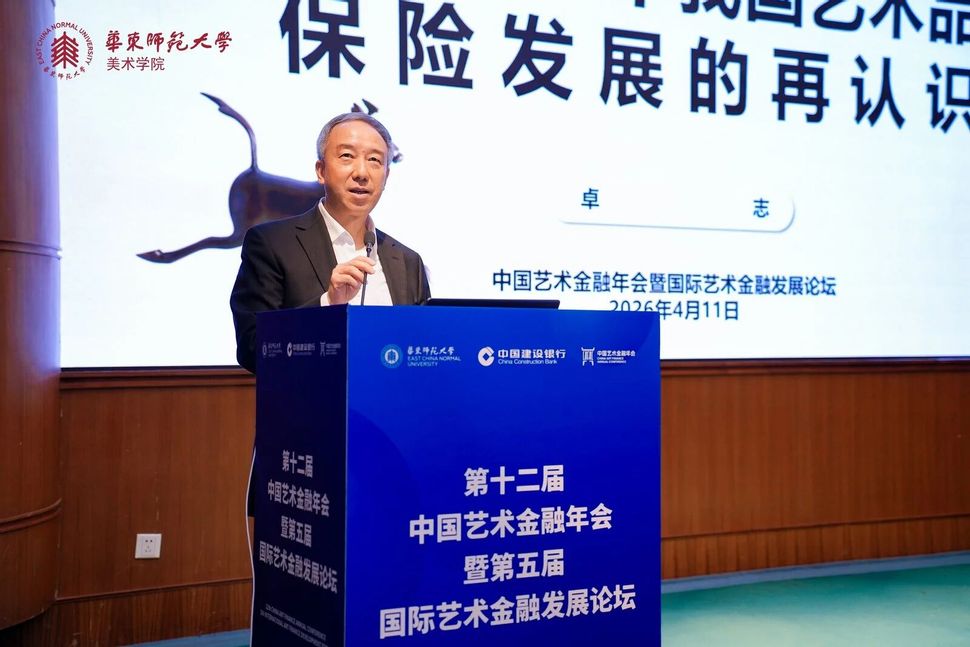
Prof. Zhi Zhuo, Former President of Southwestern University of Finance and Economics
In his speech Rethinking China’s Artwork Insurance Development Against the Global Landscape, Prof. Zhi Zhuo stated that China’s artwork insurance is shifting from pilot trials toward market-oriented operation. It is necessary to analyze the emergence and trends of artwork insurance from a global perspective, examine major pain points plaguing this sector based on its current development, and advance artwork insurance development through cross-industry integration.
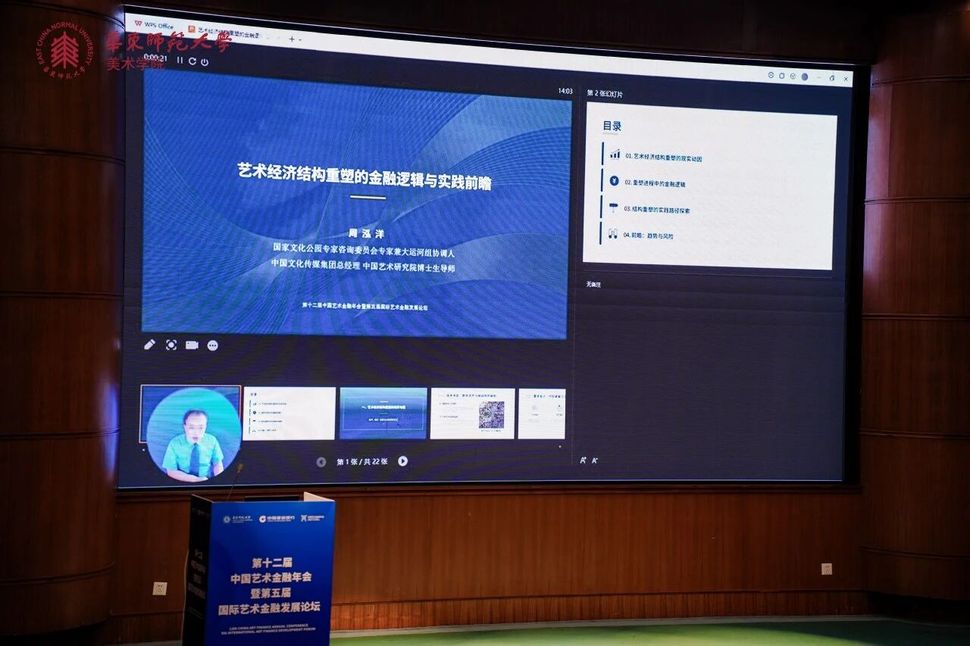
Prof. Hongyang Zhou, General Manager and Deputy Party Secretary of China Media Culture Group
In his speech The Financial Logic and Practical Outlook of Restructuring the Art Economic Structure, Prof. Hongyang Zhou mentioned that the visible surface of the artwork market is merely the tip of the iceberg. Digital technologies, new collectors, financial instruments and the global landscape are jointly reshaping the underlying logic of the market. In-depth reflection is needed regarding the restructuring of the art economic structure, the role of finance, practical approaches and future trends.
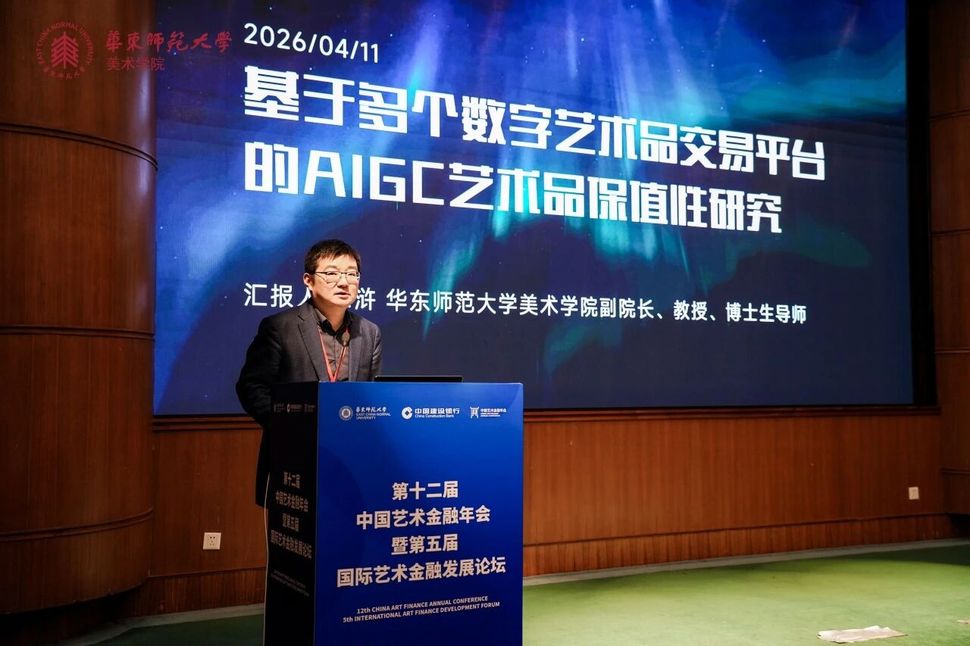
Prof. Hu Zhu, Vice Dean of the School of Fine Arts, East China Normal University
In his speech titled Research on the Value Preservation of AIGC Artworks Based on Multiple Digital Art Trading Platforms, Prof. Hu Zhu grounded his analysis on the industrial development in 2026. By comparing traffic and value logics of domestic and overseas platforms, he dissected the value preservation mechanism of AIGC artworks. His research offers theoretical basis and actionable guidance for digital art assets to evolve from speculative bubbles into structured cultural assets backed by intrinsic fundamental value.
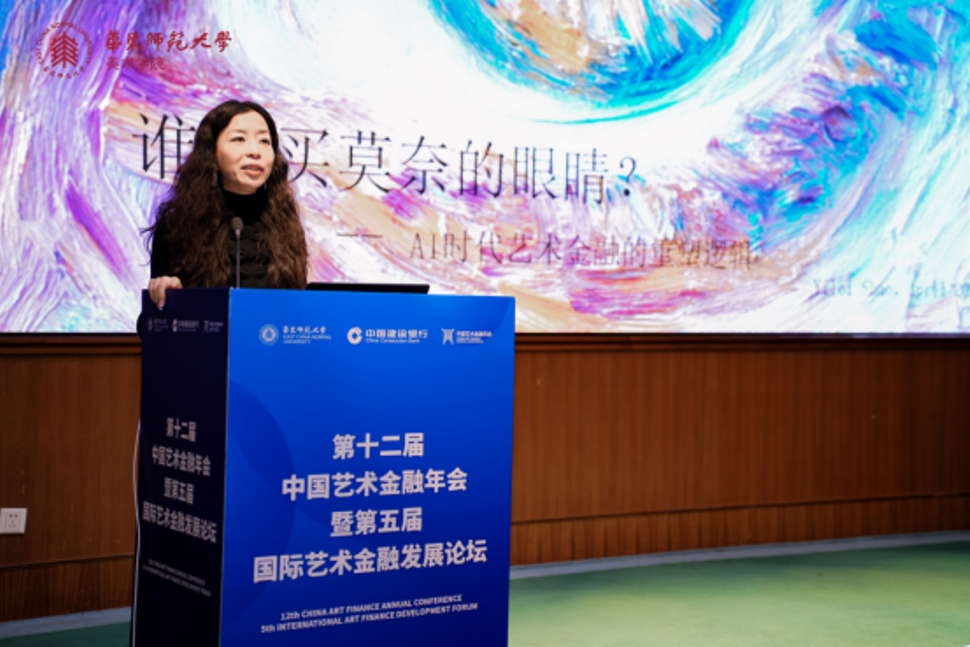
Prof. Yilei Shao, Dean of the Shanghai AI-Finance School (SAIFS), East China Normal University
In her speech Who Is Purchasing Monet’s Eyes? — The Restructuring Logic of Art Finance in the AI Era, Prof. Yilei Shao innovatively put forward the IRIS pricing theory. She illustrated that scarcity is shifting from infinitely replicable artworks to creators’ irreproducible "aesthetic judgment (IRIS)". The underlying subject matter of art finance will shift from tangible art objects to creative generation capacity. IRIS pricing is poised to become the next core structural topic in art finance.
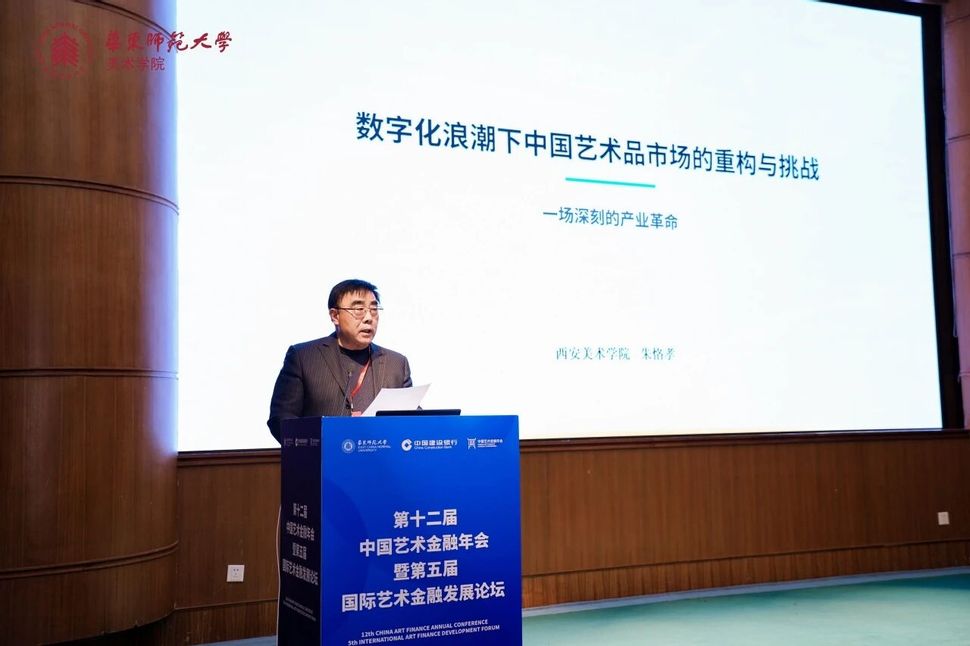
Prof. Kexiao Zhu, Former Party Secretary of Xi’an Academy of Fine Arts
In his report Restructuring and Challenges of China’s Artwork Market Amid the Digital Wave, Prof. Kexiao Zhu thoroughly analyzed how technologies including blockchain and artificial intelligence restructure the ecosystem of China’s artwork market. He pointed out that while digitalization reshapes the market’s trust system and circulation logic, it also brings severe challenges concerning artwork appraisal, copyright and valuation.
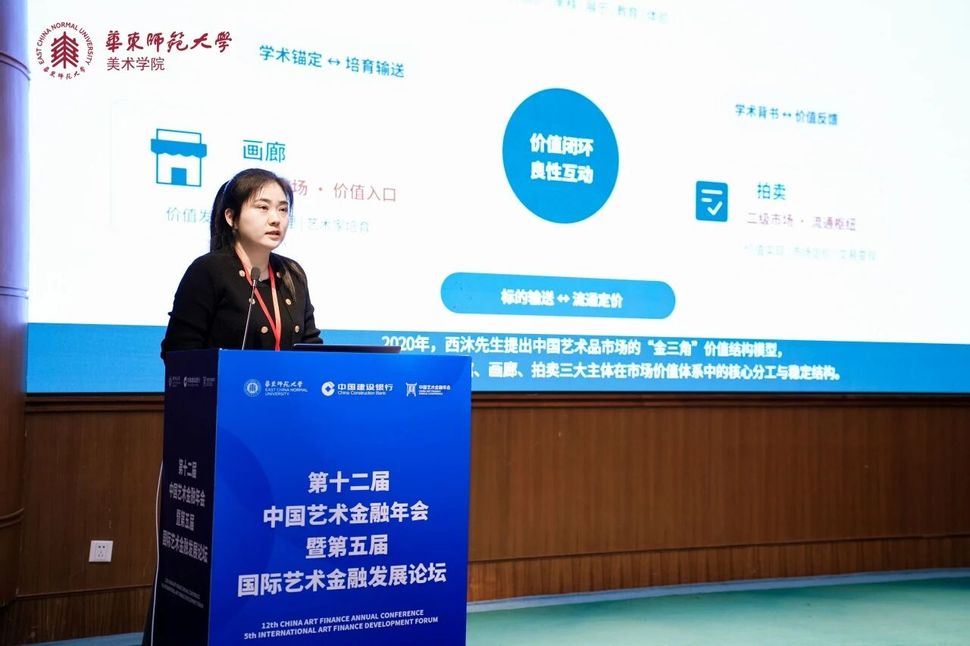
Ms. Xing Yin, Associate Professor and Director of the Fine Arts Department, School of Fine Arts and Design, Communication University of China, Nanjing
In her speech Restructuring the "Golden Triangle": Museums Empowering the New Ecosystem of the Artwork Market in the Digital Intelligence Era, Ms. Xing Yin addressed the value imbalance caused by auctions dominating the artwork market. She argued that museums ought to transform into "value constructors" in the digital intelligence era and proposed four approaches: value anchoring, resource support, ecosystem cultivation and discourse construction.
II. New Progress in Art Finance and Artwork Market
Seven experts including Prof. Li Zhao, Prof. Jun Huang, Mr. Shoutai Cheng, Prof. Xiaojun Tao, Ms. Dahui Yun, Mr. Yuefeng Shi and Mr. Xuedong Ma delivered keynote speeches in succession, analyzing the transformation paths and future ecosystem of the artwork market from multiple dimensions.
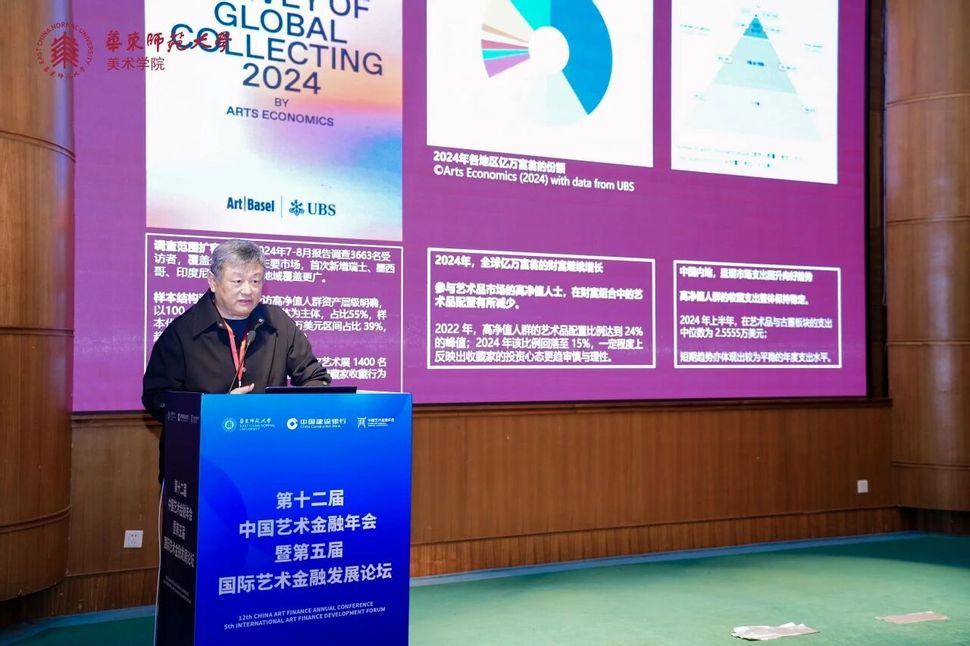
Prof. Li Zhao, Vice Dean of the School of Arts Management and Education, Central Academy of Fine Arts
In his speech Art Steward: Exploration and Practice of Art Asset Management Models, Prof. Li Zhao pointed out that traditional management models have prominent deficiencies. As an innovative service mode, the art steward integrates financial, legal, humanistic and technological tools to build a governance system covering the full life cycle of artworks.
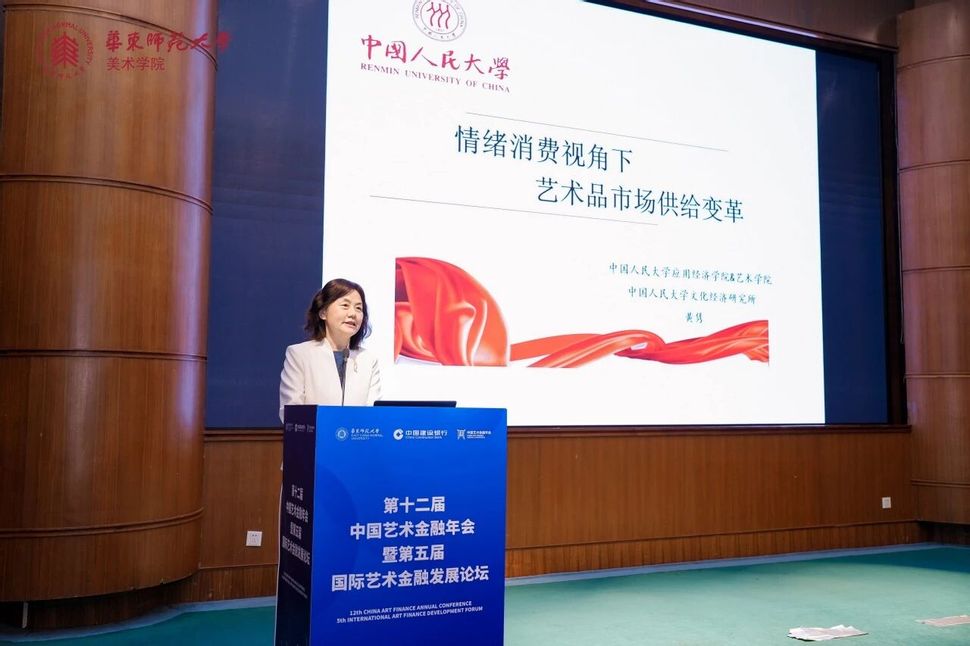
Prof. Jun Huang, Former Vice Dean of the School of Applied Economics and Director of the Institute for Cultural Economics, Renmin University of China
In her speech Changes in Artwork Market Supply from the Perspective of Emotional Consumption, Prof. Jun Huang stated that emotional consumption has become a new driving force of the artwork market. It shifts market focus from asset attributes to emotional attributes and triggers three major transformations involving suppliers, product portfolios and business models.
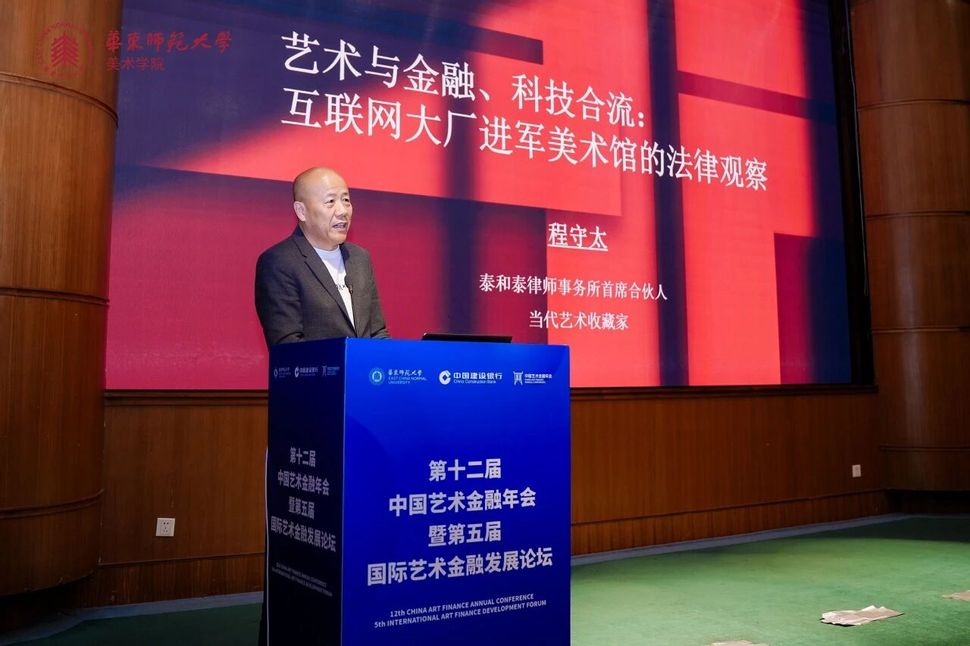
Mr. Shoutai Cheng, Vice President of the All-China Lawyers Association and Founding Partner & Chief Partner of Tahota Law Firm
In his speech Convergence of Art, Finance and Technology: Legal Analysis of Internet Giants’ Layout in Art Museums, Mr. Shoutai Cheng deconstructed relevant commercial logic from art, finance and technology perspectives. He interpreted corresponding laws in four dimensions: intellectual property rights, market transactions, asset securitization of artworks and corporate social responsibility.
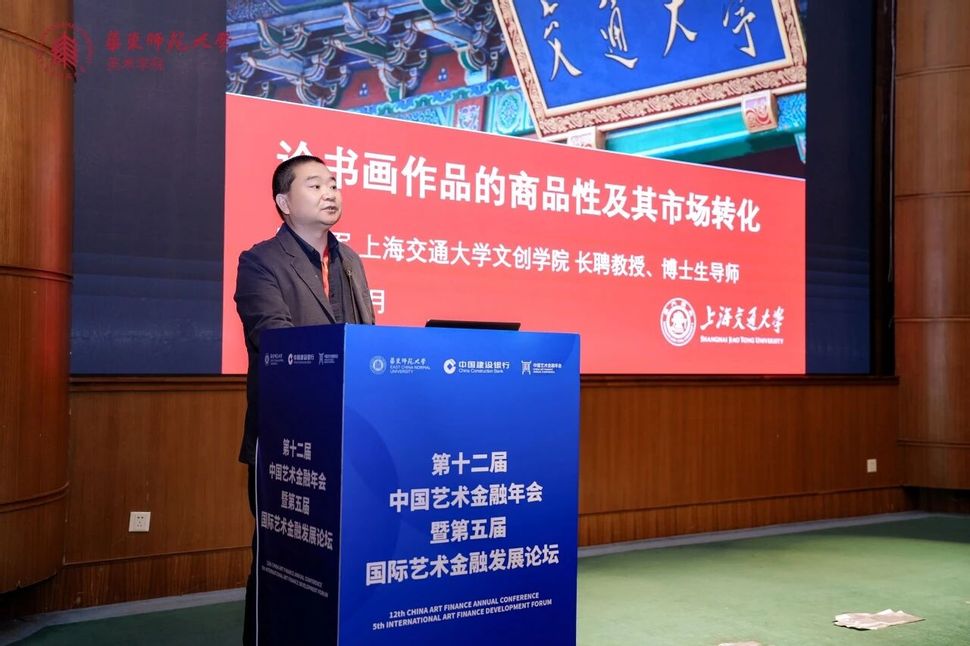
Prof. Xiaojun Tao, Tenured Professor of USC-SJTU Institute of Cultural and Creative Industry, Shanghai Jiao Tong University
In his speech On the Commodity Attribute and Market Transformation of Calligraphy and Paintings, Prof. Xiaojun Tao mentioned that calligraphy and paintings feature both consumption value and investment value. While market mechanisms boost artistic prosperity, they may also lead to homogeneous creation. Therefore, a sound and sustainable market ecosystem for calligraphy and paintings needs to be established on the premise of respecting artistic value.
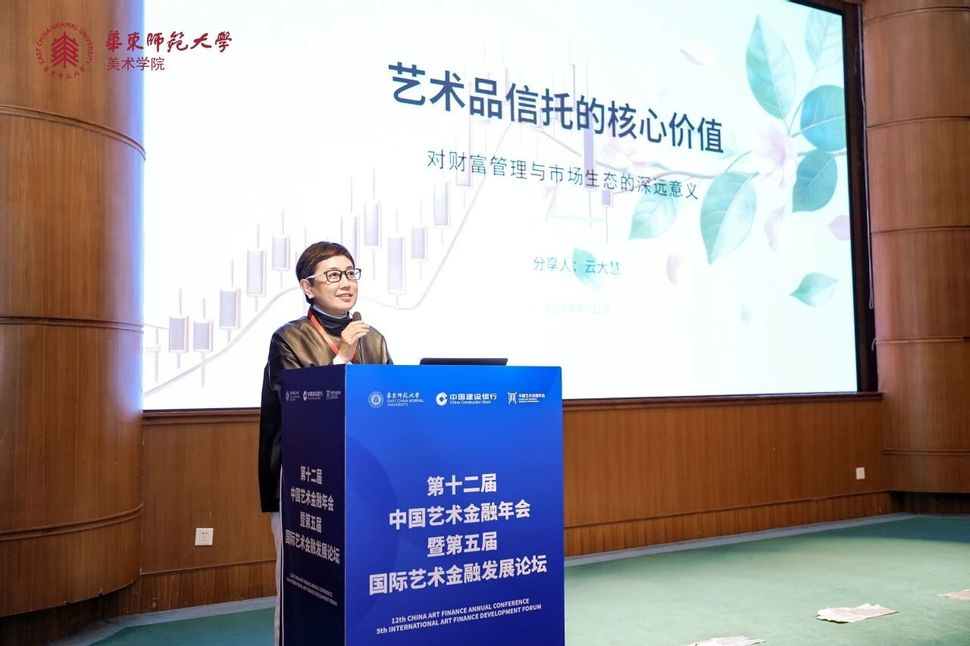
Ms. Dahui Yun, Senior Partner of Beijing Houtian Law Firm, Founder and Head of Family Wealth Management and Inheritance Team
In her speech Far-reaching Value of Art Trusts for Wealth Management and Market Ecosystem, Ms. Dahui Yun noted that art trust acts as a core connector linking art and finance. It essentially empowers culture via finance, serving as an optimal solution for wealth preservation as well as a driver to advance standardized and mature development of the market.
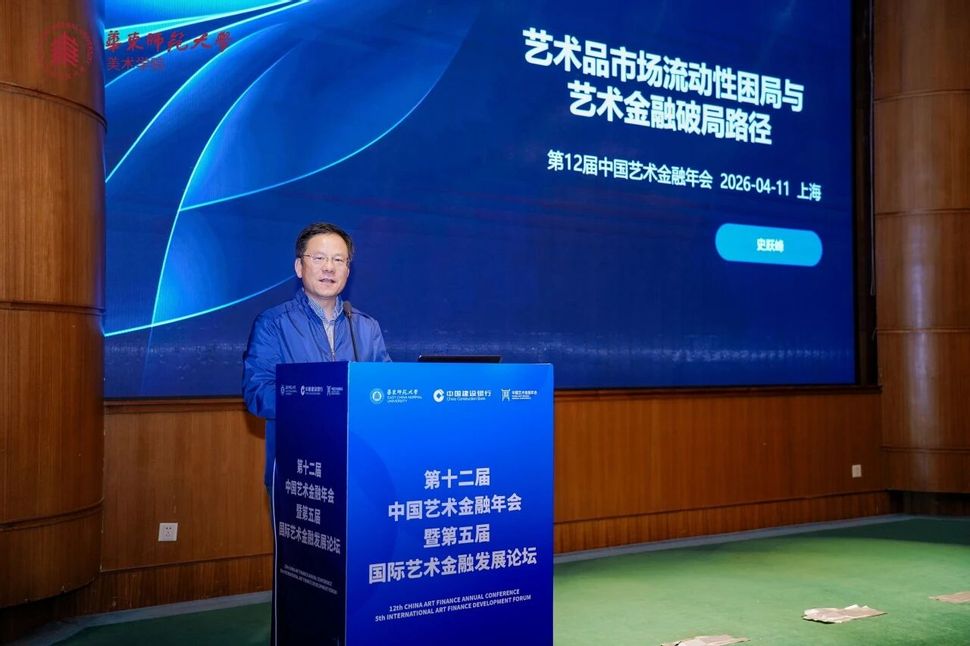
Mr. Yuefeng Shi, Vice President of Li Keran Academy of Painting and Former Chairman of Weifang Bank
Focusing on the liquidity dilemma of the artwork market in his speech Liquidity Predicament of the Artwork Market and Breakthrough Paths for Art Finance, Mr. Yuefeng Shi stressed that a data governance system covering six major projects should be built as fundamental support. A closed-loop system can break restrictions hindering financial empowerment and revitalize the market ecosystem.
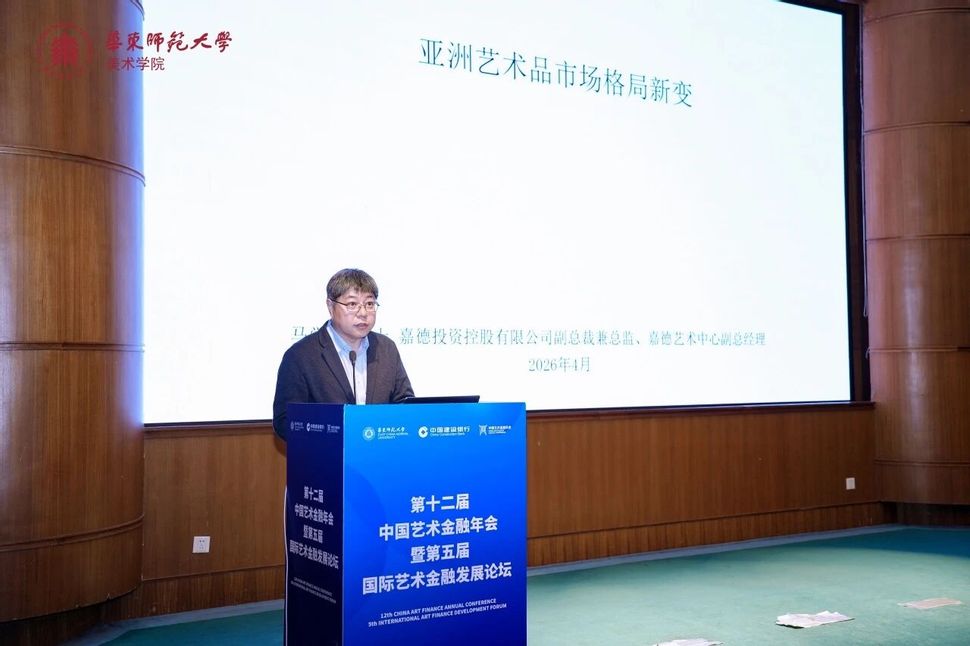
Mr. Xuedong Ma, Vice President of China Guardian Investment Holdings Co., Ltd.
In his speech New Shifts in the Landscape of the Asian Artwork Market, Mr. Xuedong Ma stated that the Asian artwork market is expanding from Hong Kong as the sole hub to multiple regional centers. The rise of East Asia, Southeast Asia and the Middle East consolidates regional foundations and steers the market toward diversification and sustainable development.
III. New Trends and Prospects for the New Forms of the Artwork Market
Seven experts including Mr. Shuangzhou Liu, Prof. Chen-Lin Chang, Ms. Huimin Yuan, Ms. Jinxi Xu, Prof. Yu Sun, Mr. Aojie Lin and Prof. Mu Xi delivered speeches in succession, sharing research outcomes and insights concerning new trends and prospects of the artwork market.
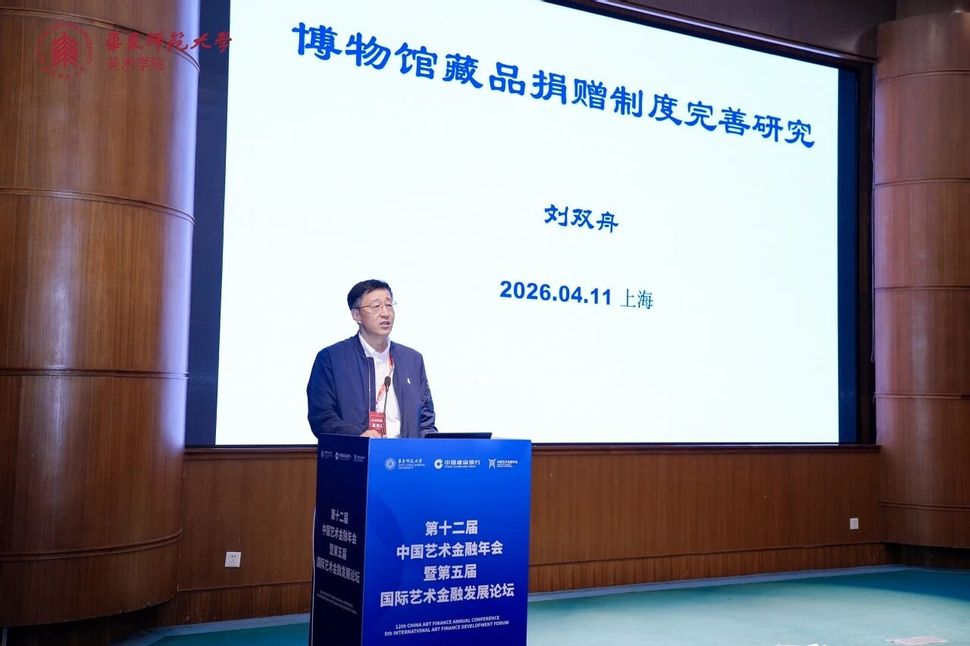
Prof. Shuangzhou Liu, Former Dean of the School of Culture and Communication, Central University of Finance and Economics
In his speech Research on Improving the Donation System of Museum Collections, Prof. Shuangzhou Liu proposed building a modern donation system through coordinated efforts across five dimensions: law, procedure, technology, supervision and incentive. By balancing rights and obligations and reshaping trust mechanisms, public enthusiasm for cultural donations can be stimulated, enabling positive interaction between cultural relic conservation and cultural inheritance.
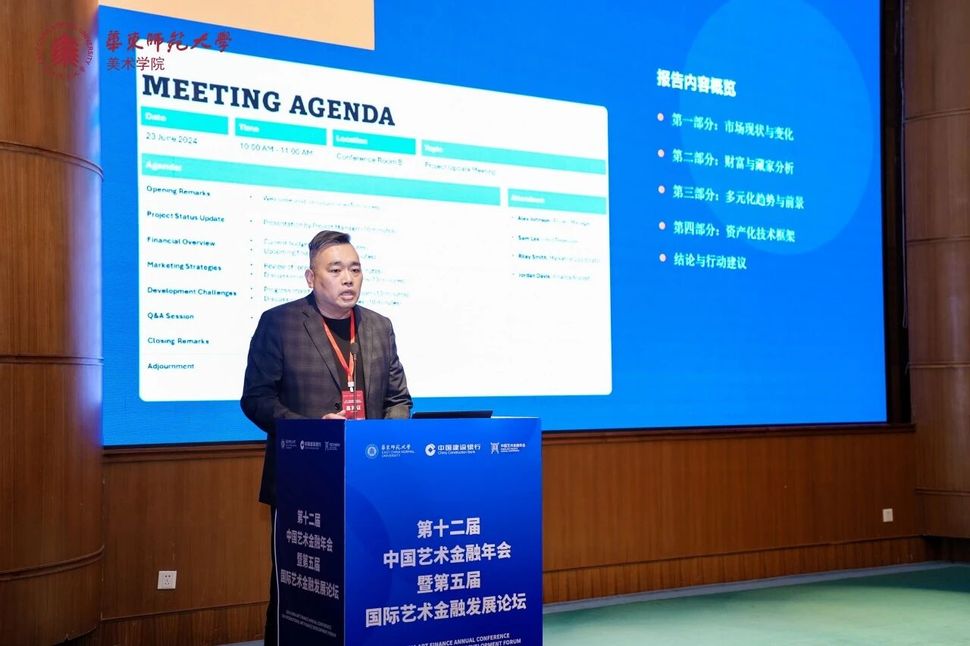
Prof. Chen-Lin Chang, Former Chief Executive of Art Bank Taiwan, Professor of Graduate Institute of Arts Management and Entrepreneurship, National Sun Yat-sen University, Distinguished Professor of Central Academy of Fine Arts
In his speech Cross-border Application and Optimization Paths for the Financial Securitization of Classic Fine Artworks, Prof. Chen-Lin Chang pointed out that financial assetization of classic artworks has become an emerging investment mode integrating cultural value and economic potential. Supported by modern technologies, professional institutions and a sound legal system, the Greater China art market can achieve dual appreciation of culture and capital under standardized development.
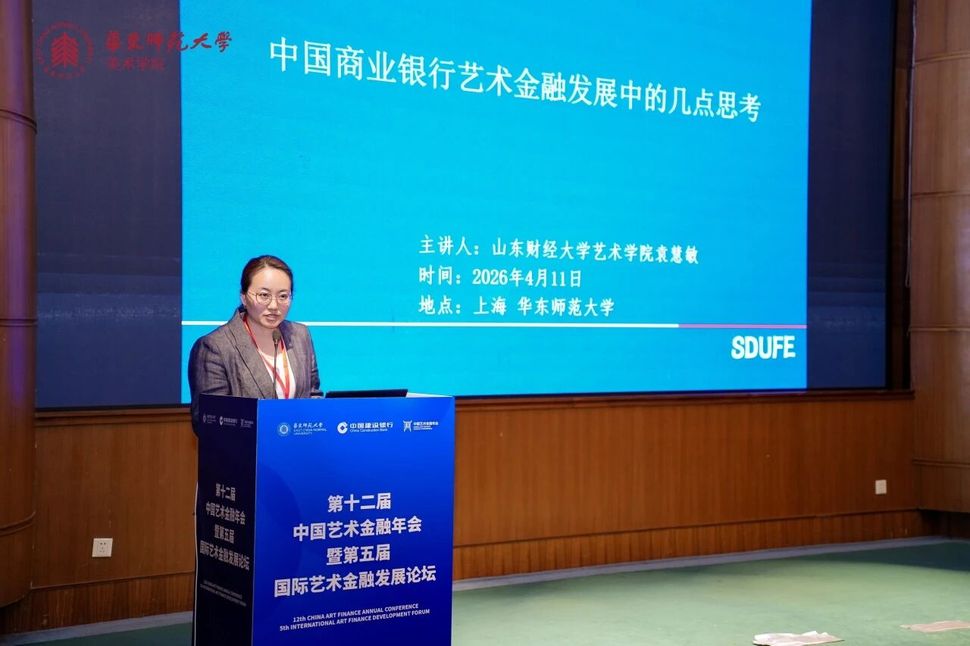
Ms. Huimin Yuan, Associate Professor and Vice Dean of the School of Art, Shandong University of Finance and Economics
In her speech Reflections on the Development of Art Finance in China’s Commercial Banks, Ms. Huimin Yuan systematically sorted out core businesses such as artwork pledge, art trust and wealth management as well as corresponding risk control mechanisms. She prospectively analyzed value restructuring brought by new collecting categories including digital art and trendy toys, alongside new payment methods.
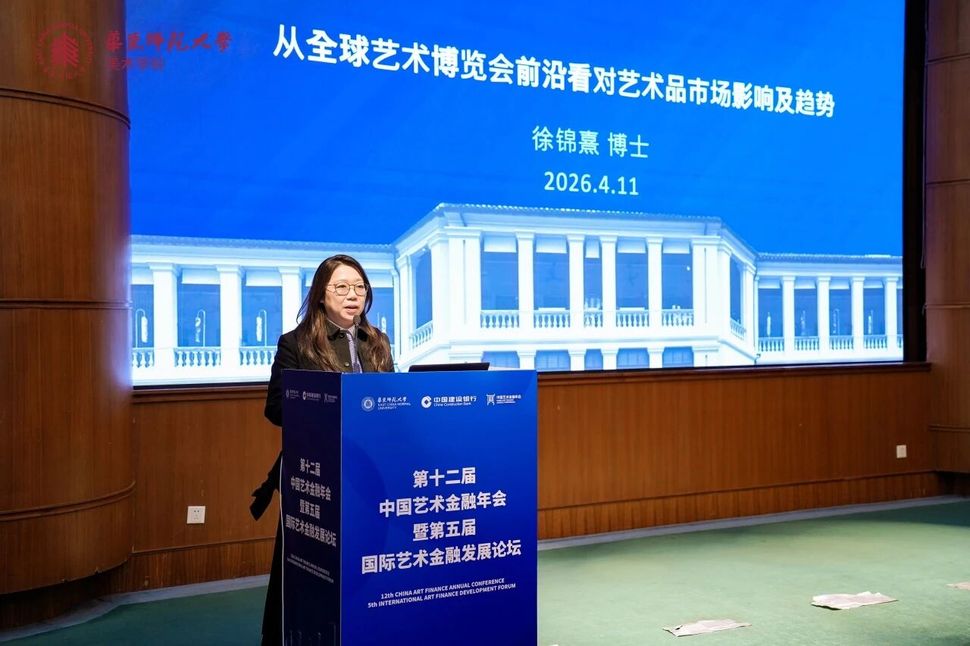
In her speech Impacts and Trends of the Artwork Market from the Frontier of Global Art Fairs, Ms. Jinxi Xu reviewed market functions, development trends, cultivation approaches for new-generation collectors and transaction mechanisms of digital artworks based on her industry experience. Combined with SWOT analysis, she formed forward-looking judgments on the industry’s future.
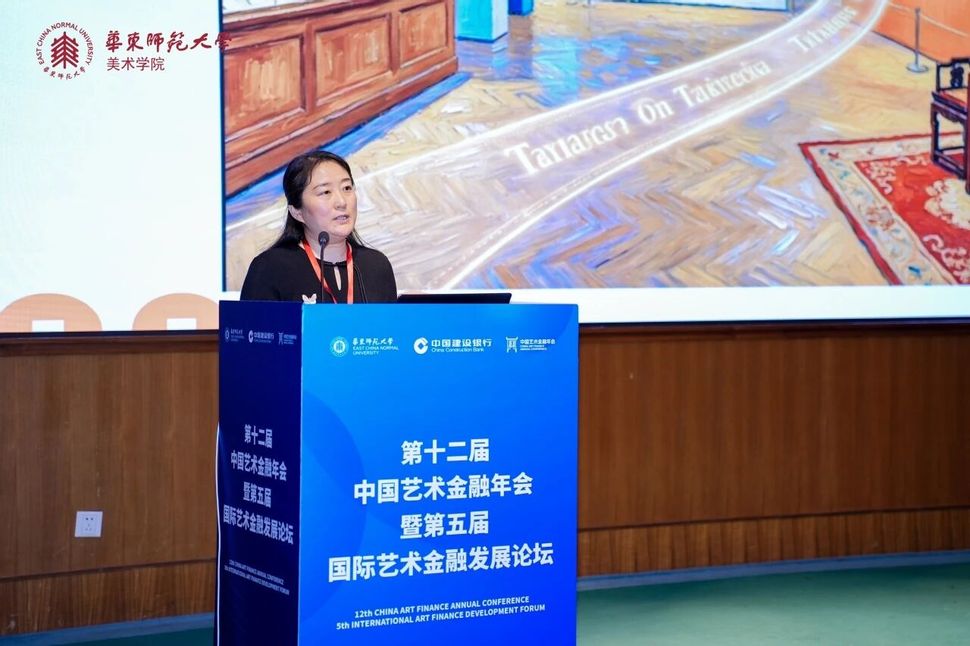
Prof. Yu Sun, Vice Dean of the School of Finance, Shandong Technology and Business University
In her report International Comparison and Enlightenment of Artwork Tax Policies: Evidence from China, the United States and Russia, Prof. Yu Sun compared the U.S. asset-oriented taxation model and Russia’s cultural heritage-oriented taxation model. She suggested China transform toward a refined taxation system featuring zero tariff, preferential VAT, enhanced tax deductions for donations and classified administration.
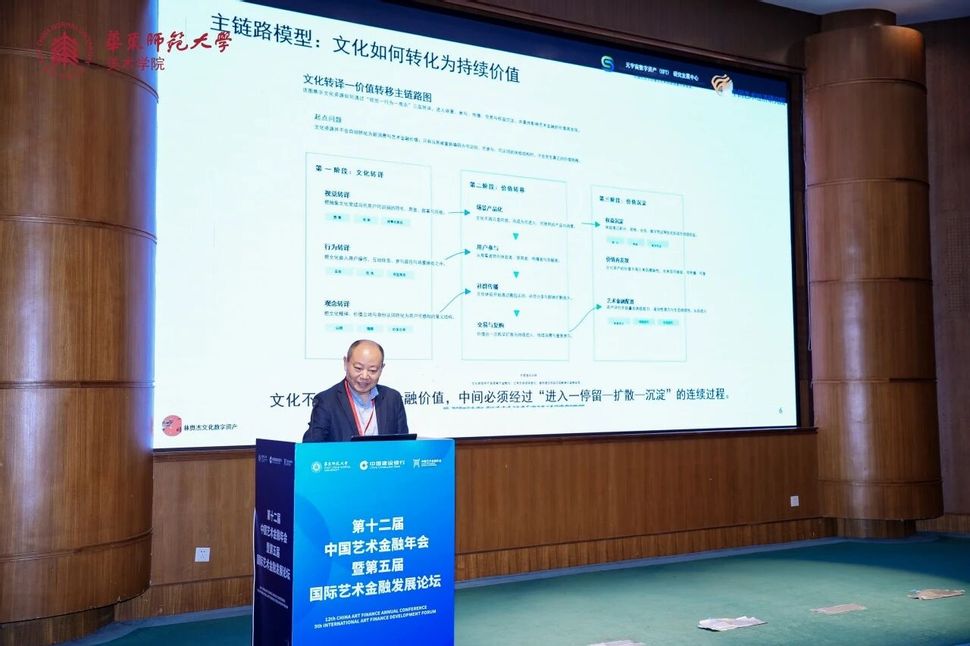
Mr. Aojie Lin, Deputy Secretary-General of China Institute of Art Economics, Secretary-General and Research Fellow of Metaverse Digital Asset (NFT) Research and Development Center
In his speech How Cultural Translation Drives New Consumption: The Next Growth Curve of Art Finance — Repricing from Asset to Experience, Mr. Aojie Lin noted that cultural translation-driven value restructuring fuels new consumption. Value discovery and financial allocation of artworks shift from asset pricing to experiential repricing, opening up a brand-new growth track for art finance.
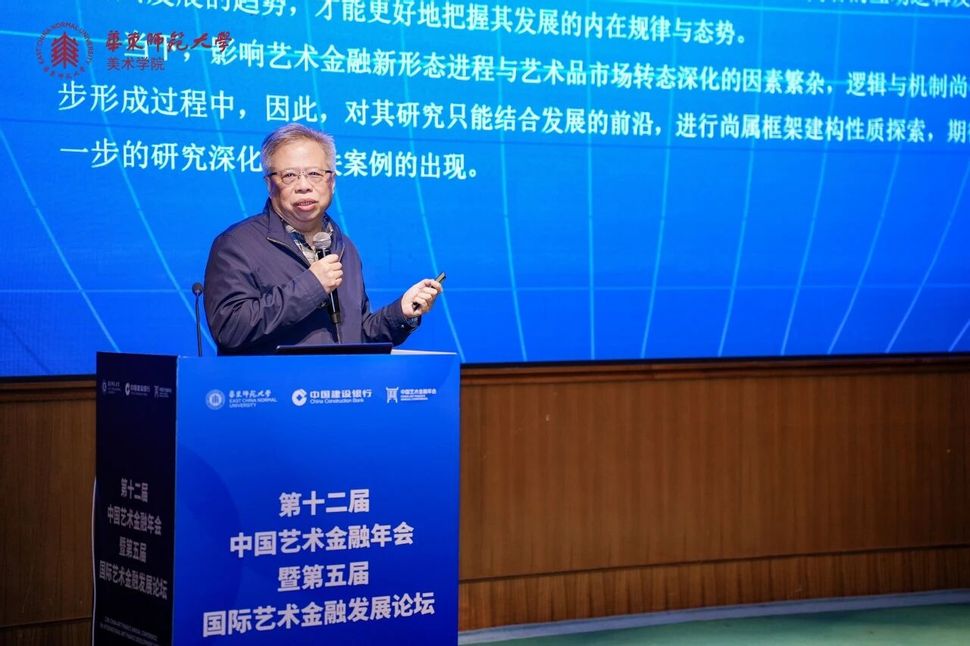
Prof. Mu Xi, Dean of China Institute of Art Economics
In his report Evolution of New Forms of Art Finance and Deepening Transformation of the Artwork Market, Prof. Mu Xi analyzed the two-way interaction between emerging art finance formats and market transformation. Driven by aesthetic upgrading and digital technologies, the market is shifting from niche collection to mass consumption and asset allocation underpinned by credible value, deepened finance and technological integration.
IV. List of Competition Winners
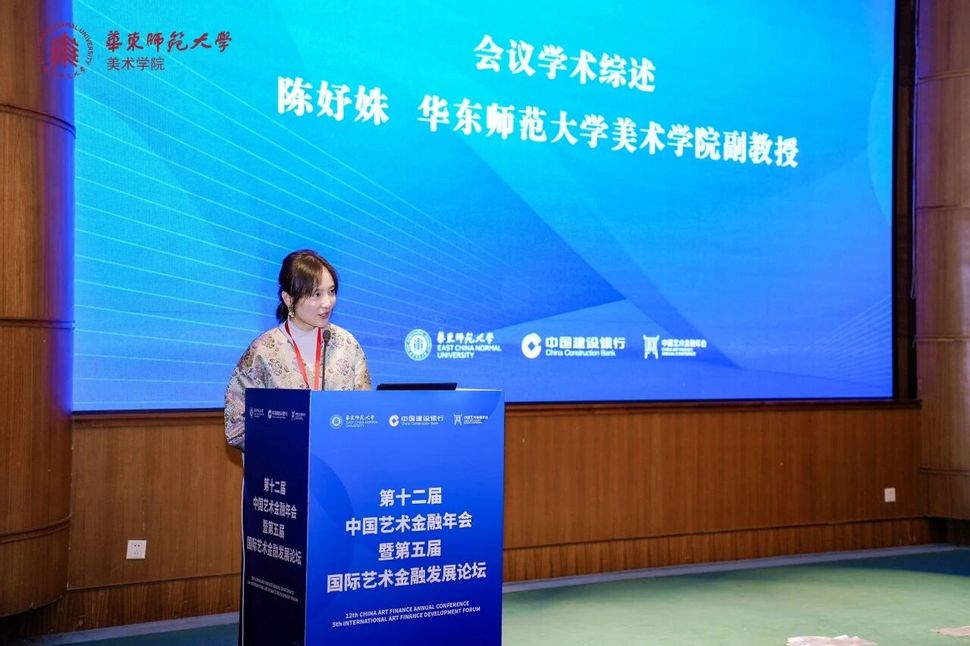
Ms. Yushu Chen, Associate Professor of the School of Fine Arts, East China Normal University
At the closing ceremony, Ms. Yushu Chen systematically summarized core viewpoints and exchange outcomes of the forum. She stated that China’s art finance is transitioning from instrumental innovation to ecosystem reshaping. The development centers on coordinated advancement of technological empowerment, rule reconstruction and cross-industry integration. Rooted in regional collaboration and global vision, the art finance sector shall facilitate interdisciplinary integration of humanities and social sciences with digitalization and standardized compliance as dual engines, advancing comprehensive human and social progress.
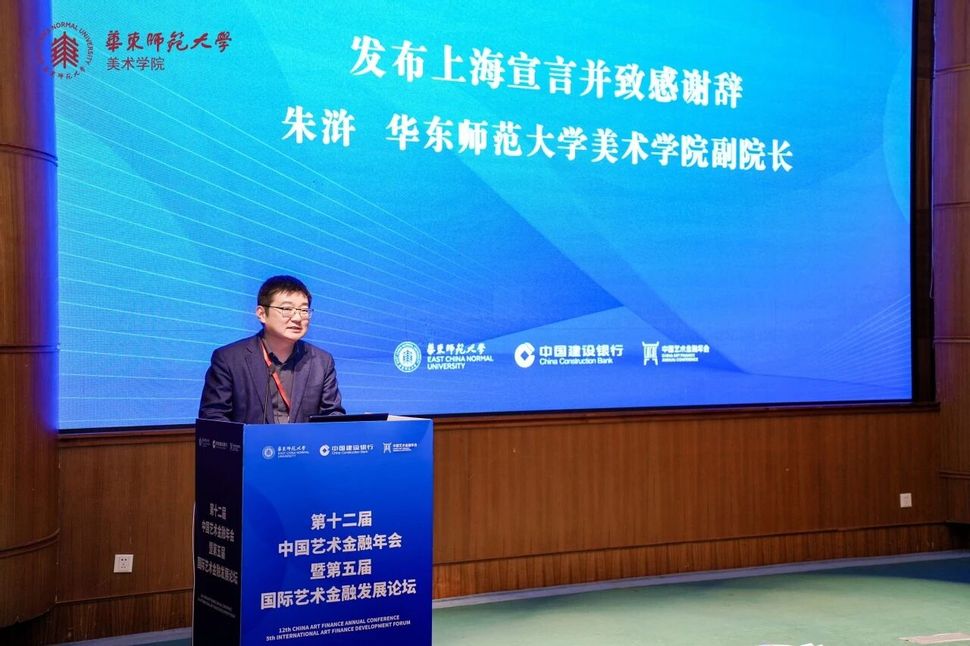
Prof. Hu Zhu, Vice Dean of the School of Fine Arts, East China Normal University
On behalf of all forum guests, Prof. Hu Zhu released the Shanghai Declaration. The Declaration states that digital intelligence is steering China’s art finance and artwork market toward digital, inclusive and international development. The industry must focus on new technologies and new consumption to build a full-chain industrial ecosystem and modern governance system. Meanwhile, in-depth theoretical research shall empower inclusive aesthetic education via market forces, elevate global discourse power relying on core cities, advance high-quality development, and support the construction of a culturally strong nation and Digital China.
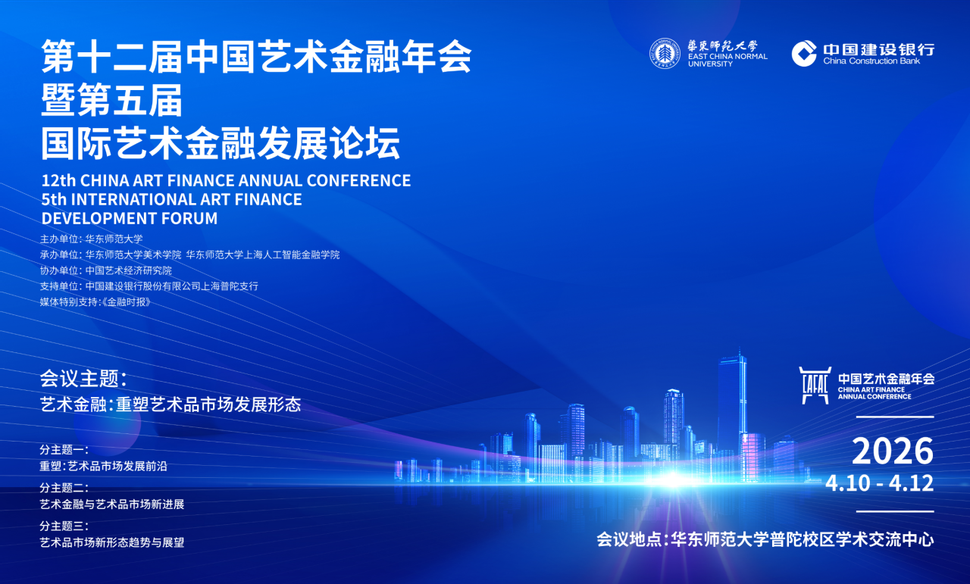
The China Annual Conference of Art Finance has been held successfully for 11 sessions since its debut in 2015. Built jointly by financial institutions, academia and universities, this academic platform supports industry-university-research communication and research. The conference commits to activating cultural and artistic resources and discovering their value, earning wide recognition and positive influence across the industry. Highlighting its responsiveness to the times, conference themes have evolved from Internet Plus and digital assets to the current reshaping of artwork market forms, continuously leading industrial innovation. Furthermore, the conference gathers cross-border think tank resources and regularly releases authoritative academic publications including the Annual Research Report on China’s Art Finance Development as well as industrial declarations. It provides theoretical support and practical guidance for standardized, high-quality growth of China’s art finance industry.
Source:School of Fine Arts and Shanghai AI-Finance School (SAIFS), East China Normal University